Hollywood
Bukowski at his best
My first book review.
Only fair I start with the piece of fiction I re-read the most. Since I first picked it up in April of 2024, I’ve read HOLLYWOOD cover to cover nine times. Often in one sitting.
That doesn’t count the amount of times I’ve picked it up and thumbed through a couple of chapters. This book is the reason my screentime is so low.
WHY i CONNECT
This book turns me into a single brain cell—I cannot help but laugh all throughout. The obnoxious caveman type laugh. Reading this book in public results in a lot of dirty stares for me.
If you’ve ever felt like an outsider, you’ll enjoy this book.
If you’re a writer/creative trying to make it, you’ll enjoy this book.
If you’re someone who’s tasted success only to realize how absurd the gatekeepers and stars you once idolized really are, then you’ll enjoy this book.
If you’ve ever struggled to bring your vision to life and have had to lean on your friends & loved ones in the process, you’ll enjoy this book.
If you’re interested in Hollywood, you’ll enjoy this book.
If a significant other has softened you, you’ll enjoy this book.
If you think you’re the only sane person in most rooms, you’ll enjoy this book.
If you think everyone takes themselves way too seriously, you’ll enjoy this book.
If you hate lawyers and people who stick their hand in the take without doing any of the work, you’ll enjoy this book.
If you’ve ever thought Bukowski to be too gross, crude, or a downright DiSGUSTiNG PiG...I’m here to tell you to give him a chance. He is all of these things, but at the twilight of his career—he is softer, he is wiser, he is vulnerable.
He is (finally) entertaining without being an asshole. He is proof that even the most reprehensible of characters can be saved. There’s always time.
BACKGROUND + SUMMARY
Bukowski has been labeled appropriately throughout his career:
1. The poet laureate of the lowlives
2. The prophet of the unemployed
3. The enfant terrible of the Meat School poets
He wrote a column in an underground newspaper titled NOTES FROM A DiRTY OLD MAN. He spent most of his life working odd jobs, then a stint at the postal office, before dedicating himself at the age of 49 to being a starving artist.
All throughout his poetry, stories, and novels—he glamorizes SELF DESTRUCTiON, ALCOHOLiSM, SELF PiTY, POVERTY and REJECTiON. In his unapologetic commitment to living the LOW LiFE, he has given us a front row glimpse of the underbelly of society. Those who live at the fringes rarely get to be witnessed and exalted. Bukowski knew no other artistic mandate.
Bukowski is PROBLEMATiC. No asterisk there to couch it. What he wrote was just as alarming in its time as it is now.
To understand why HOLLYWOOD hits so hard, you need the backdrop. No REDEMPTiON without SiN.
The main character in Bukowski’s books is called Henry Chinaski. Henry Chinaski is simply Charles Bukowski with a thin veneer of fictionalization.
Chinaski engages in:
Sexual Coercion
Misogyny
Homophobia
Racism
Emotional Abuse
Drug Addiction
He is DAMAGED and MORALLY COMPROMiSED. He is aware of this. Yet he indulges in his ugly behaviors and celebrates them. In a detached, humorous tone.
If you read his earlier works, which are more popular, you will find these themes abundantly. HAM ON RYE, POST OFFICE, WOMEN to name a few. Chronicling his life from his childhood in the 20s to his career taking off in the 70s.
It is in Bukowski’s most successful era that we get HOLLYWOOD. HOLLYWOOD is a book about Bukowski writing a movie.
In the early 1980s, Barbet Schroeder commissioned him to write a screenplay. That screenplay would be produced into the 1987 film BARFLY, starring Mickey Rourke and Faye Dunaway.
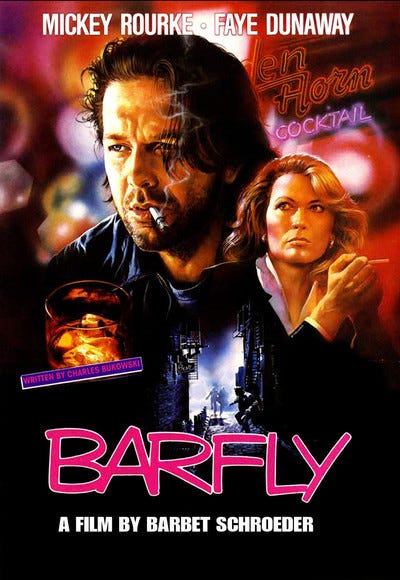
BARFLY is a slice of Bukowski’s life as a wandering alcoholic poet. Stumbling in and out of bars. Picking fights just to feel something.
It spotlights his first serious relationship, with a cynical woman named Jane. The two are downtrodden MiSANTHROPHES. Together, they create flashes of tenderness amidst their drunken haze.
BARFLY is Bukowski mythologizing his early chaos and doomed love.
HOLLYWOOD is about Bukowski’s process in writing the screenplay. Bukowski is older, calmer, and less destructive in this era of his life. Largely because he is now married to a wonderful, supportive wife named Linda.
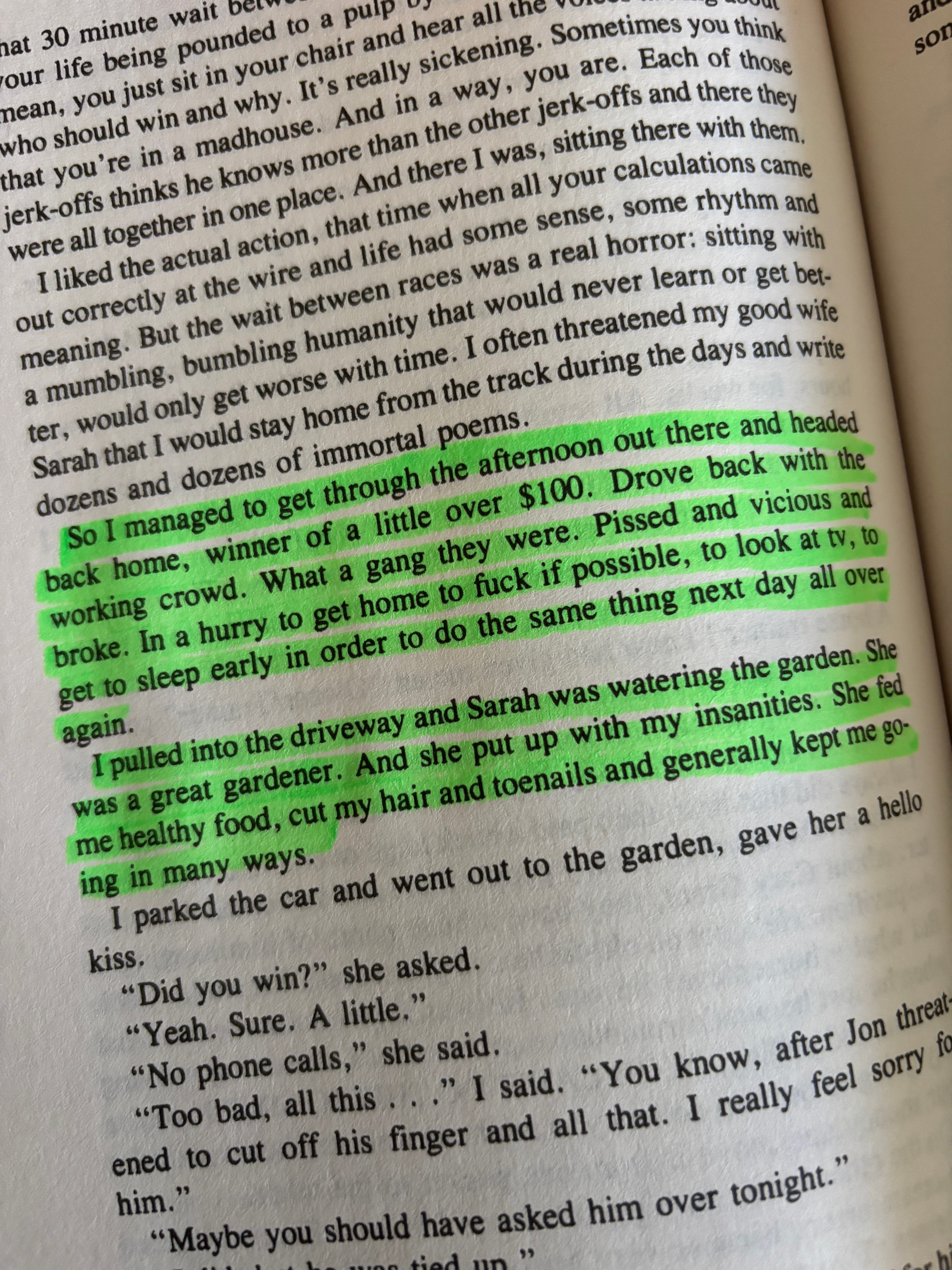
He offers a behind the curtain look at the entertainment industry. He does so with the same outsider voice he has always employed, using it to hilariously expose the vanity and insanity that is moviemaking.
In HOLLYWOOD, Bukowski is no longer contentious ANTi-HERO—he is a writer who is finally being taken seriously after decades of being mocked and ignored.
It feels like a ViCTORY LAP, and the book is laced with passages that show us Bukowski at his kindest. He muses on his age. He speaks regretfully of his youth. He openly treasures his LOViNG MARRiAGE. He sprinkles in passages that contain mystical wisdom, like little oases amidst the desert of Hollywood EGOTiSM.
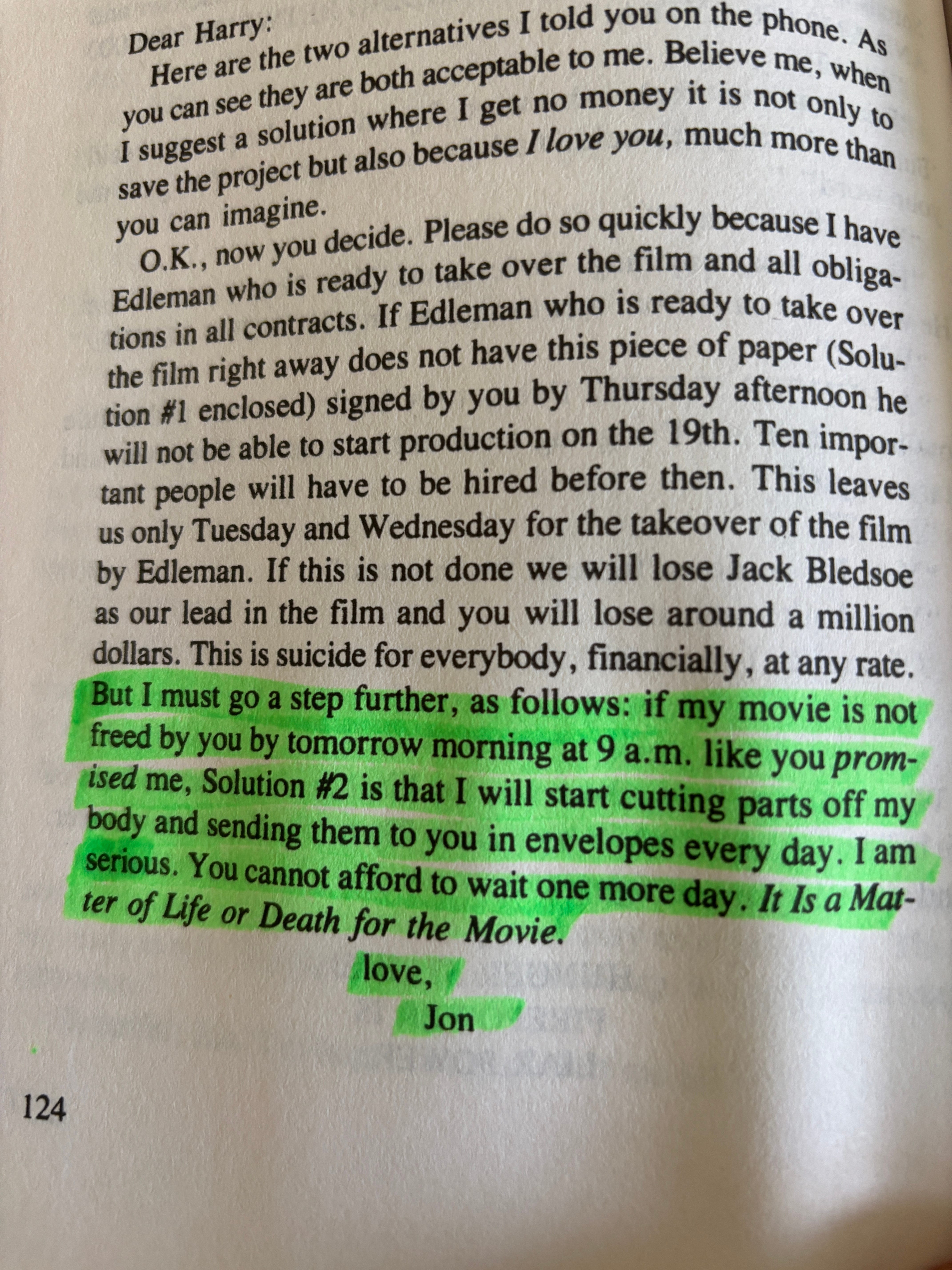
You get the sense that Bukowski is (for once), stepping outside of the DEFENSiVE MECHANiSM that is the Chinaski alter ego and seeing himself for who he truly is. He is a late career protagonist finally admitting to himself that he seeks peace, dignity, and connection. There is much less bravado. More SORROW and HONESTY.
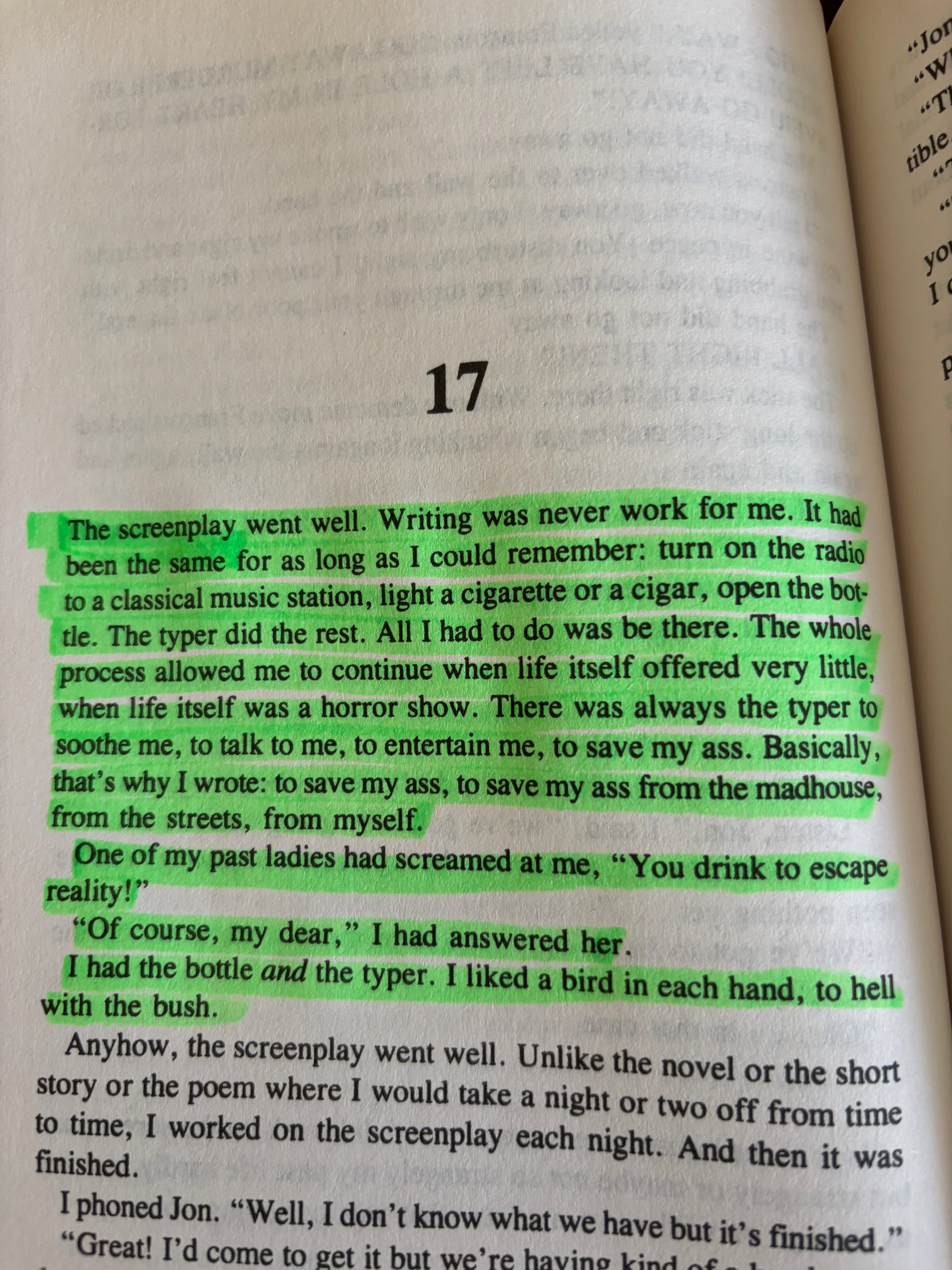
He dismantles the legend that he himself built up.
A task all of us creatives put off. To our own pain and pleasure.
The plot arc is as follows (mostly spoiler free, but it’s not the kind of book where spoilers matter):
1. Chinaski’s phone is ringing off the hook with literary plaudits, big bank rolling in, and the opportunity to be part of the big screen
2. He circles around writing the screenplay, as it daunts him to translate his style to a different medium—but finally decides to tackle it with the same directness and flair that has defined his style
3. The journey of transforming his pages to an actual release is comically difficult—this is where most of the book’s charm lies
4. Chinaski takes us along for the ride of exposing the Hollywood ecosystem—all the predatory and self serving lawyers, agents, financiers, talents and bureaucrats
5. He faces tough decisions, primarily in deciding whether or not to compromise his artistic vision for the commercial success
6. His domestic life with Linda grounds him despite all the ups and downs of his newfound fame
7. Ultimately, the movie does get made and Chinaski is satisfied with how it captures his life as a misfit
IF YOU LiKE
HOLLYWOOD reminds me of one of my favorite movies, CARLiTO’S WAY.
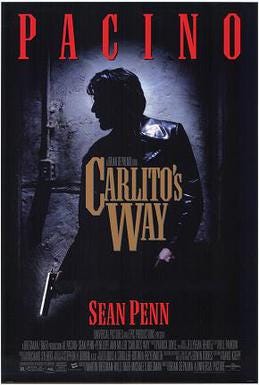
If Bukowski’s earliest novels are SCARFACE, HOLLYWOOD is CARLiTO’S WAY.
People look at CARLiTO’S WAY and falsely assume it is SCARFACE but Puerto Ricans in NYC instead of Cubans in Miami. It has the same star, Al Pacino, and the same director, Brian Da Palma.
They are both gangster movies yes.
But SCARFACE is an unapologetic BOY MOViE. Violence. Hubris. Neon soaked iMMiGRANT GRiND. Excess. Ambition. It feels like a fever dream.
CARLiTO’S WAY is a thoughtful tragedy. Self Reckoning. Regret. (Attempted) redemption through love. Wisdom. It feels like a sad memory.
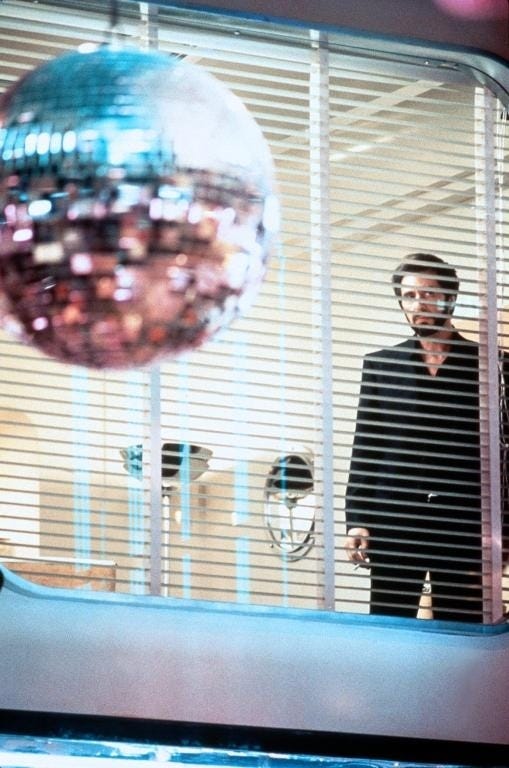
CARLiTO’S WAY is your past coming with a bill that is long overdue.
After serving a lengthy prison sentence for a federal narcotics charge, Carlito Brigante returns to the streets. He vows to keep clean and aims to retire to a boring life running a car rental service in the Bahamas. No more criminality. He just has to make a little chunk of change doing an HONEST LiViNG and he can leave all the temptation behind. He furthers this inspiration in rekindling a ROMANCE with the woman he was madly in love with before he was locked up.
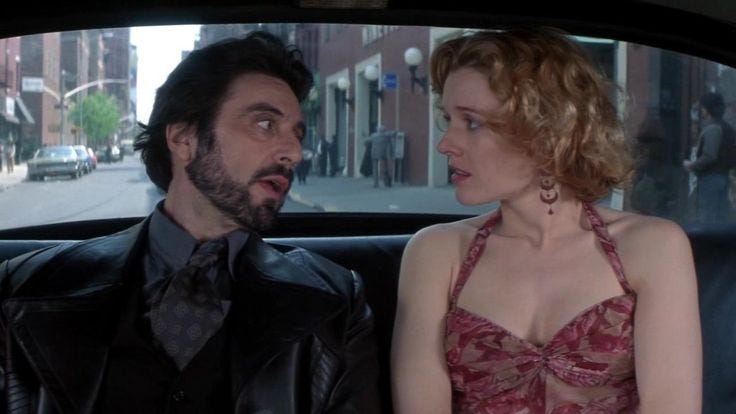
But despite his best efforts to stay out of the life—his REPUTATiON dooms him. He cannot escape his legend. He tries his best to go straight, to learn how the barrio has changed, and keep himself out of trouble. But his own friends and past promises make his fate iNEVITABLE.
It is not a film about rising to the top and building an empire. It is a film about clarity coming TOO LATE. A dream of a honest future shattered by an inescapable first act. No mania, just melancholy.
Like HOLLYWOOD, you have wiser protagonists that are cursed by their NOTORiETY. The world rewards them for their prestige, in exactly the ways that they wish to move on from. Their character evolution is met with doubt.
The two are stories about how exhausting it is to be a TOUGH GUY. Leading mans performing autopsies on their past lives.
HOLLYWOOD is also for fans of:
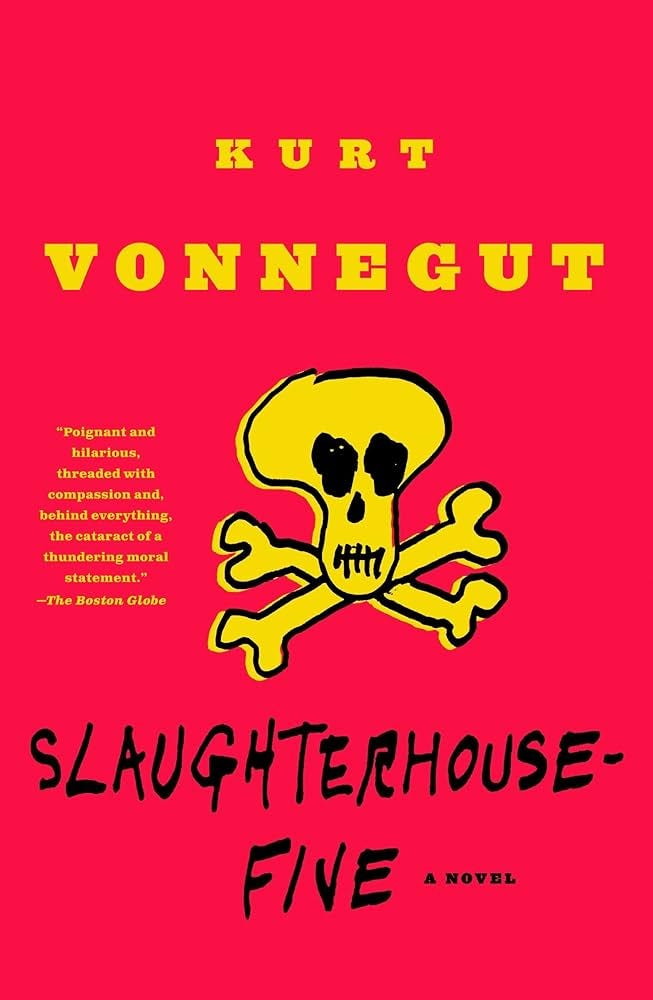
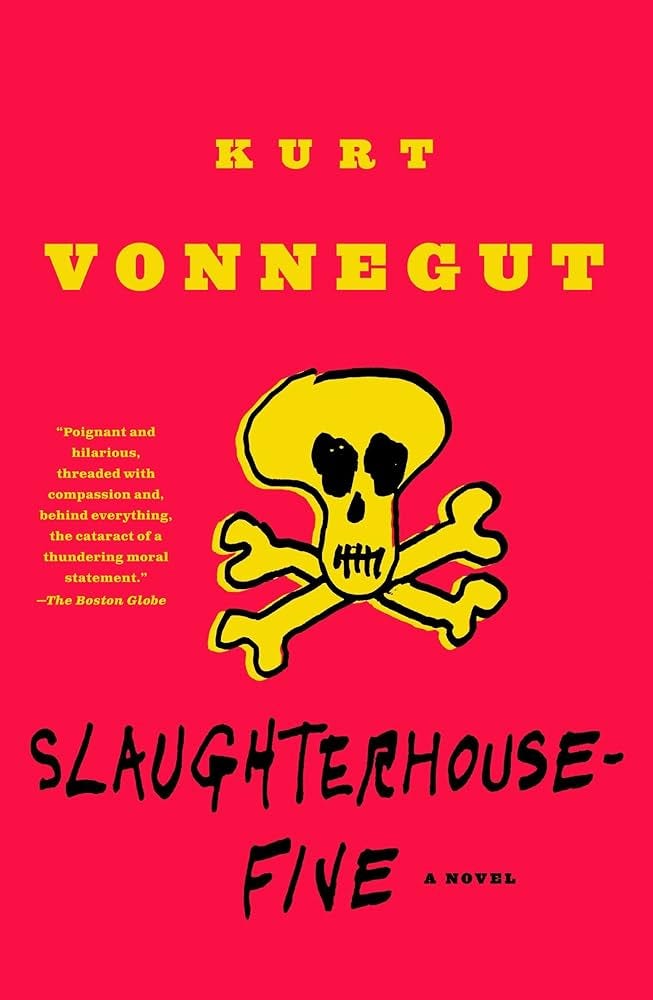
SLAUGHTERHOUSE FiVE by Kurt Vonnegut
If you like anti-institutional dry humor
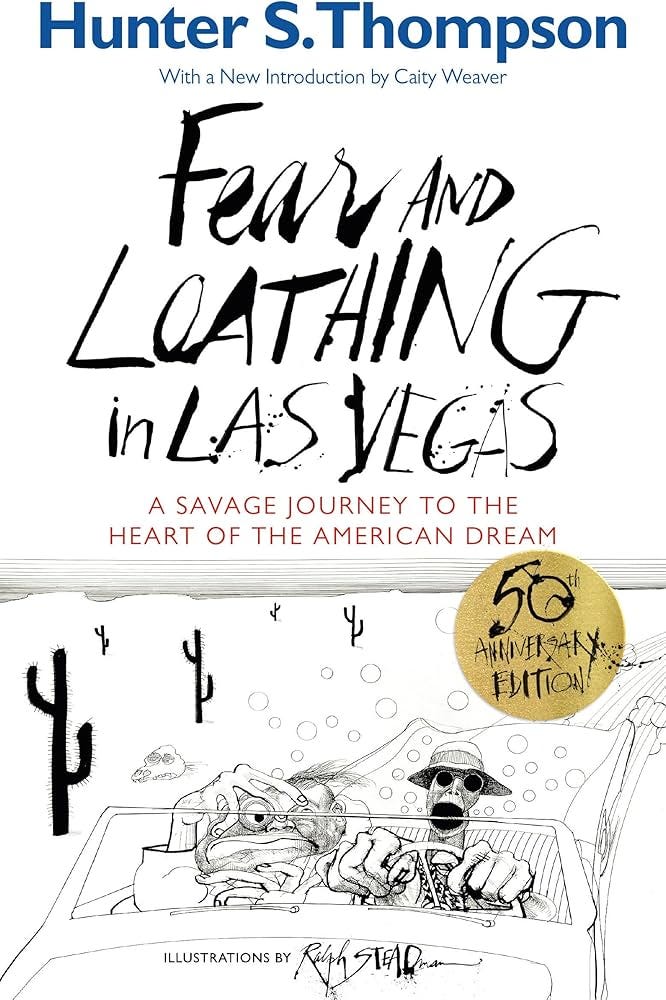
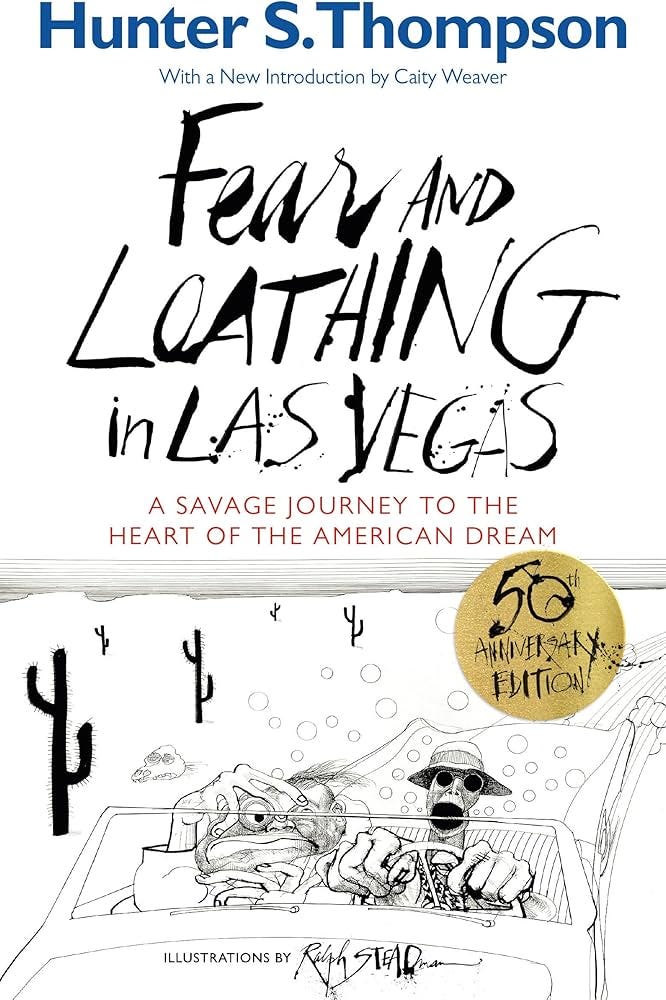
FEAR AND LOATHiNG iN LAS VEGAS by Hunter S. Thompson
If you like misfit protagonists critiquing the American spectacle
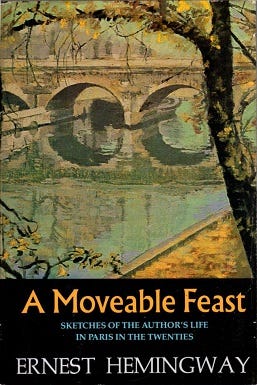
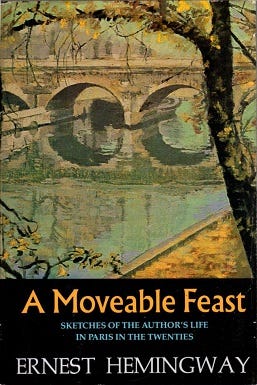
A MOVEABLE FEAST by Ernest Hemingway
If you like late career reflection
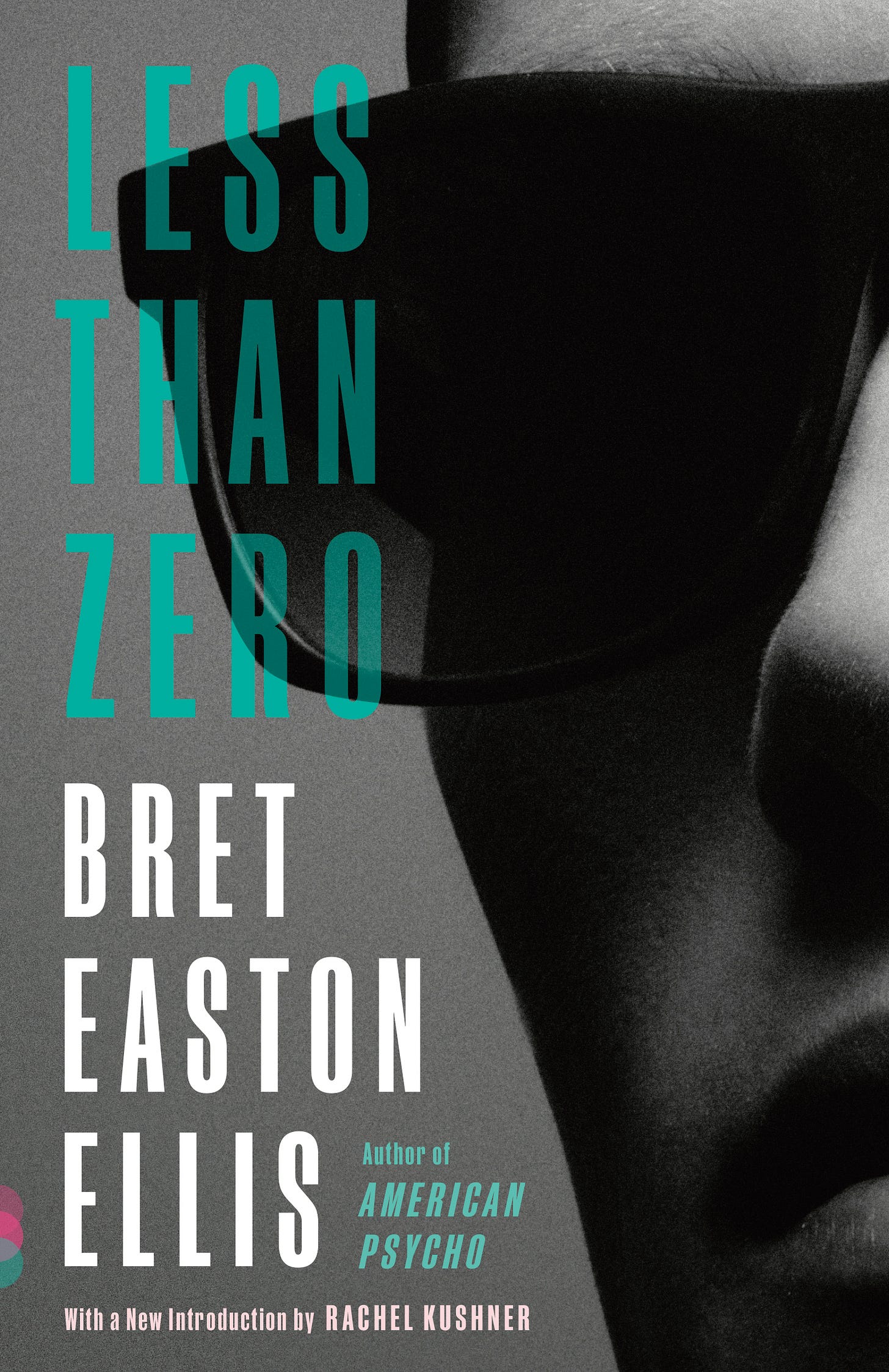
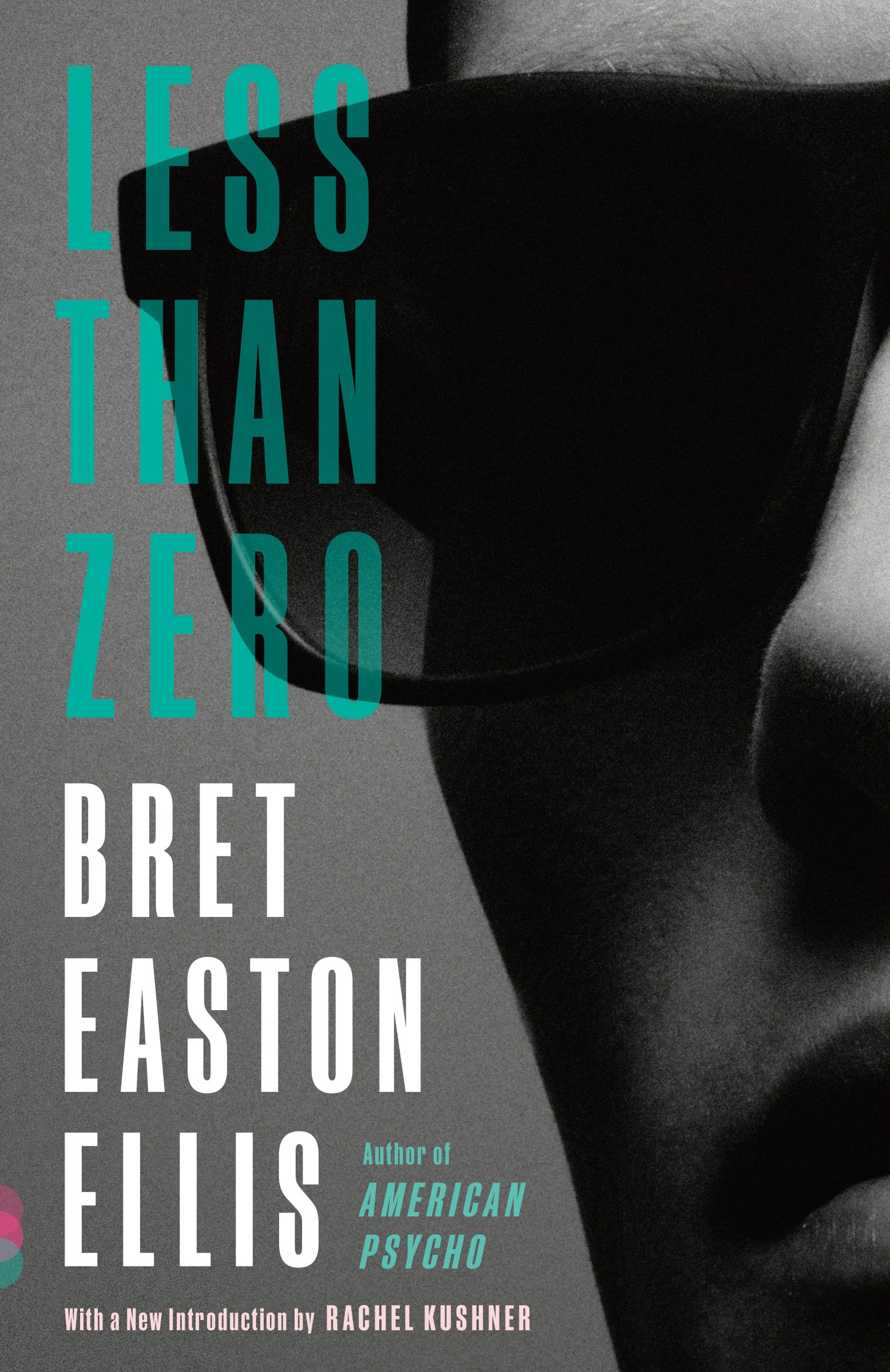
LESS THAN ZERO by Brett Easton Ellis
If you like LA being examined as an empty, evil setting
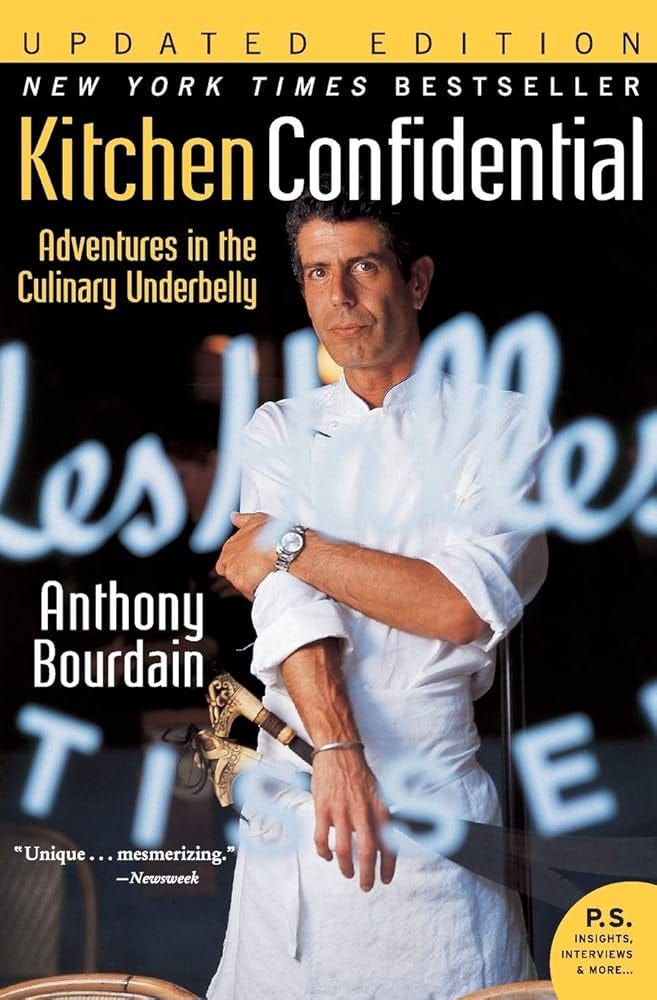
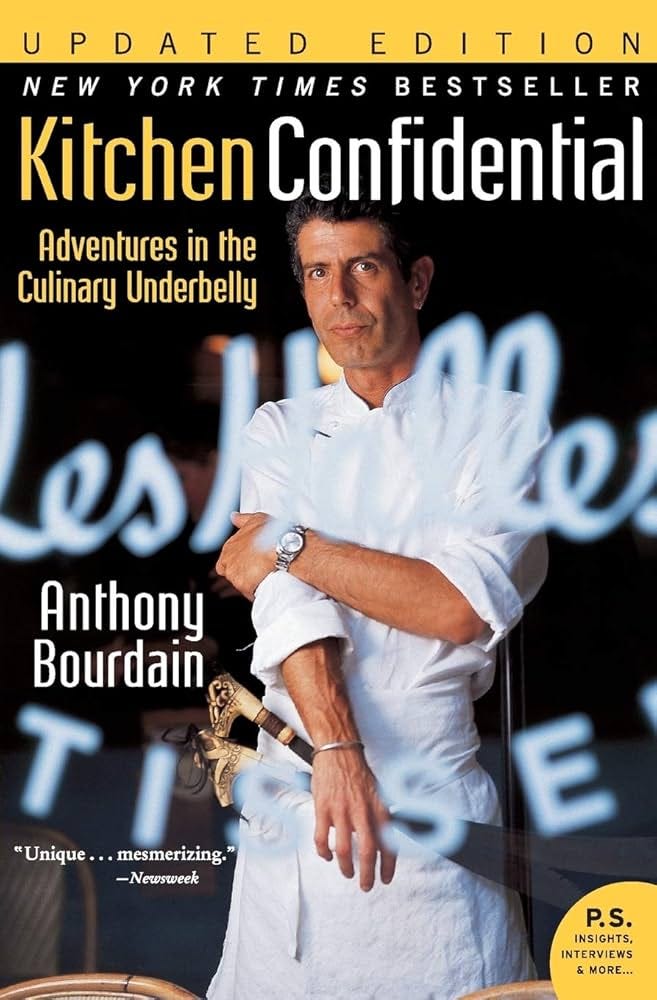
KiTCHEN CONFiDENTiAL by Anthony Bourdain
If you like a gritty artist battling with suddenly becoming famous
CLOSiNG WORDS + RATiNG
HOLLYWOOD is the DEViL putting up his pitchfork and shaking his head that he has made it this far in the CiTY OF ANGELS.
It is the artist standing there smiling wryly at the success he never thought would come. Bewildered. Grateful. He’s looking around at the game everyone is dying to win, and asking himself: This? This is what they SELL THEiR SOULS for?
No ego. Just a wise old man with wide eyes, wider than he’s ever let them open.