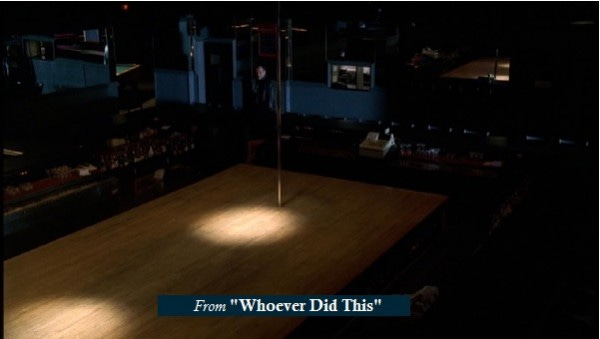
On A Thin Line
the master goes low to go high
PROLOGUE
The greatest artists lower the stage so the depth can be felt by all.
They use simple language. Innovate popular form—take it further than the old guard permits.
Back in my day…
They tap into the vulgar nerve of the moment. This grants them universal access.
Then they infiltrate.
Their work arrives as entertainment—but inside the Trojan horse lives existential terror, eternal questions, ancient archetypes. The struggles. The triumphs.
Red blood. Broken fathers. Longing sons. Mothers who haunt. Disastrous affairs.
ACT I
Elitism is the fastest way to make art irrelevant.
Pop is the bridge to eternity.
If the intellectuals like it first, you can be sure it will die a swift death.
If the hood loves it, then it may outlive you.
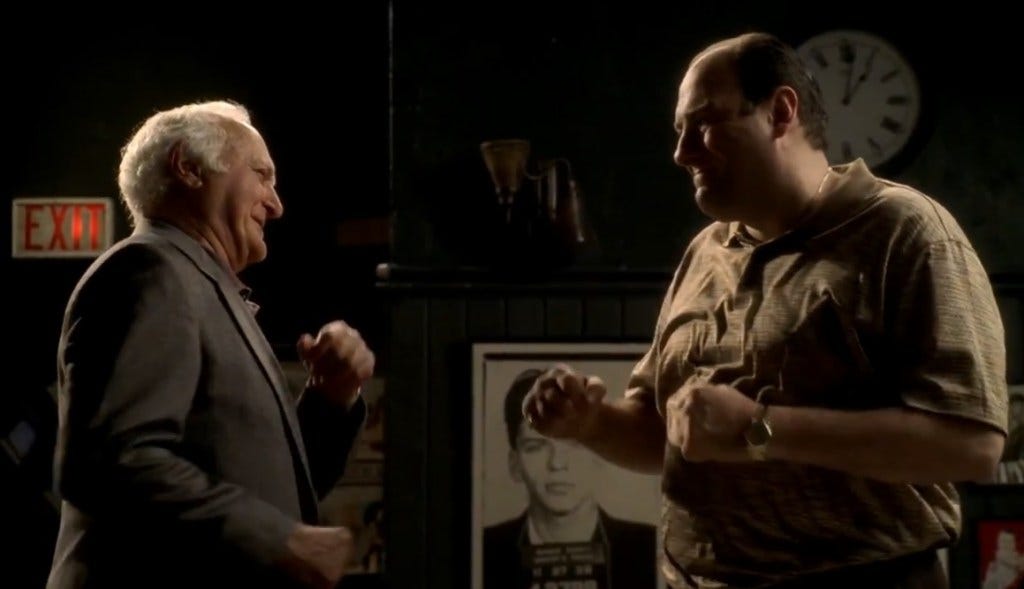
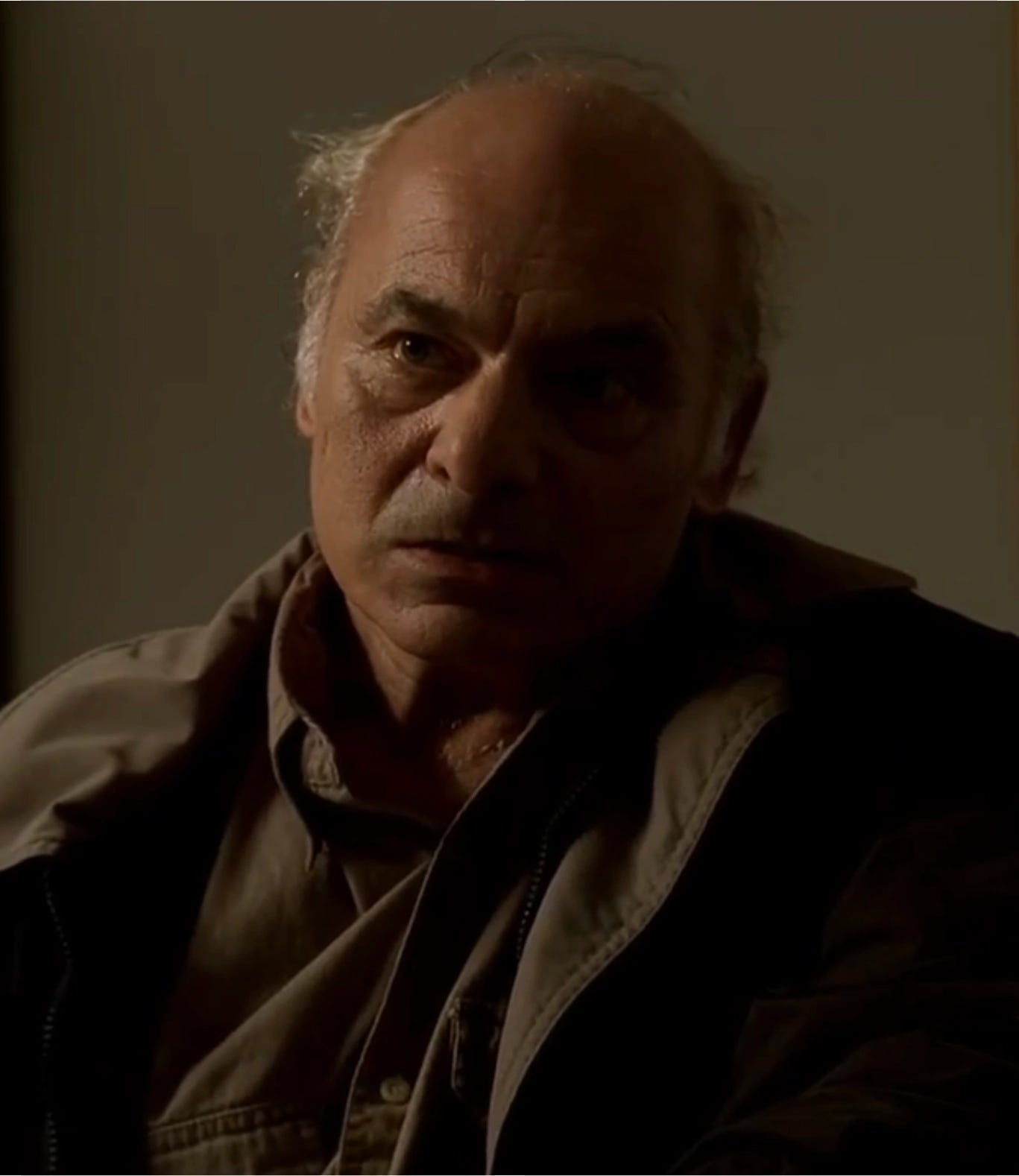
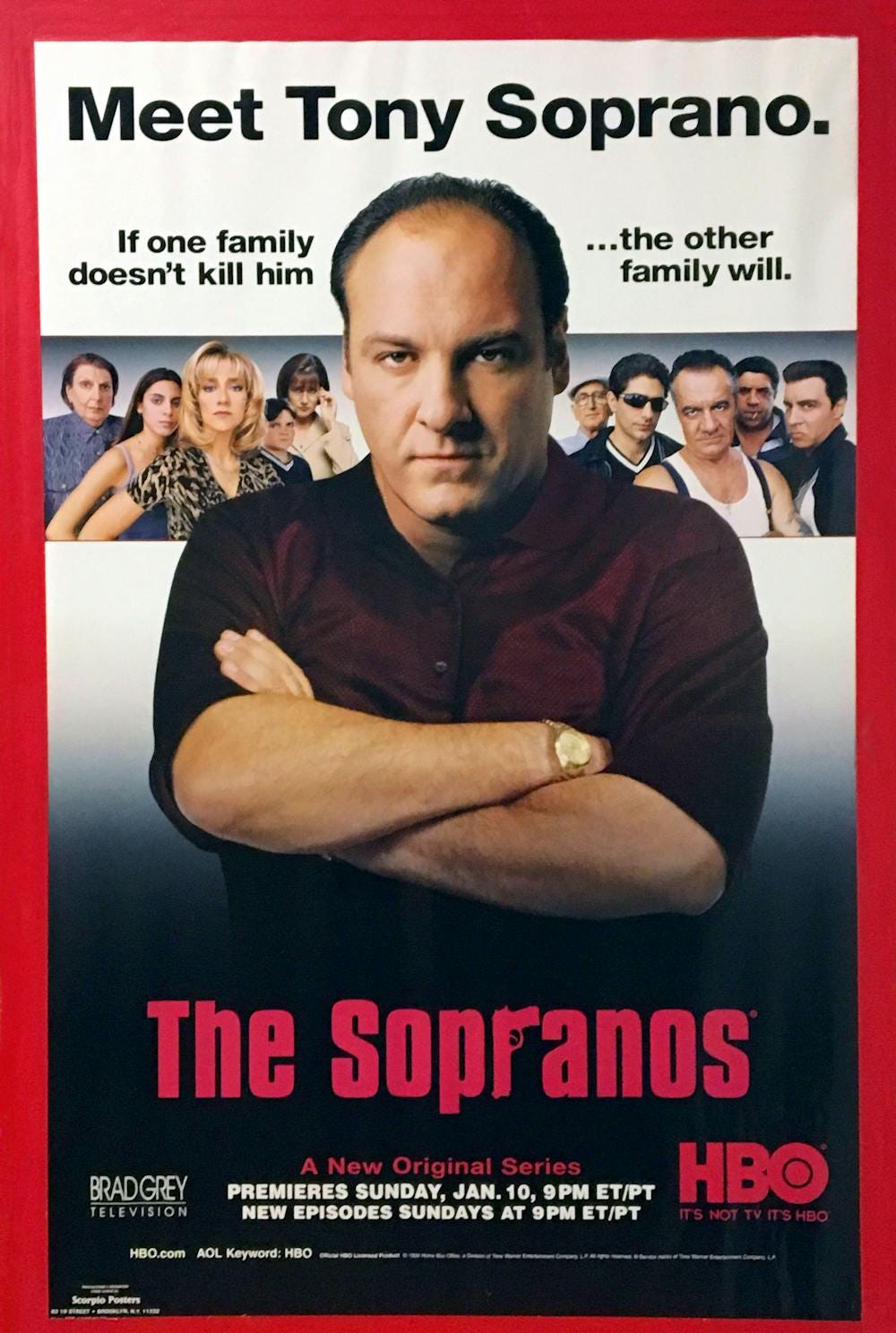
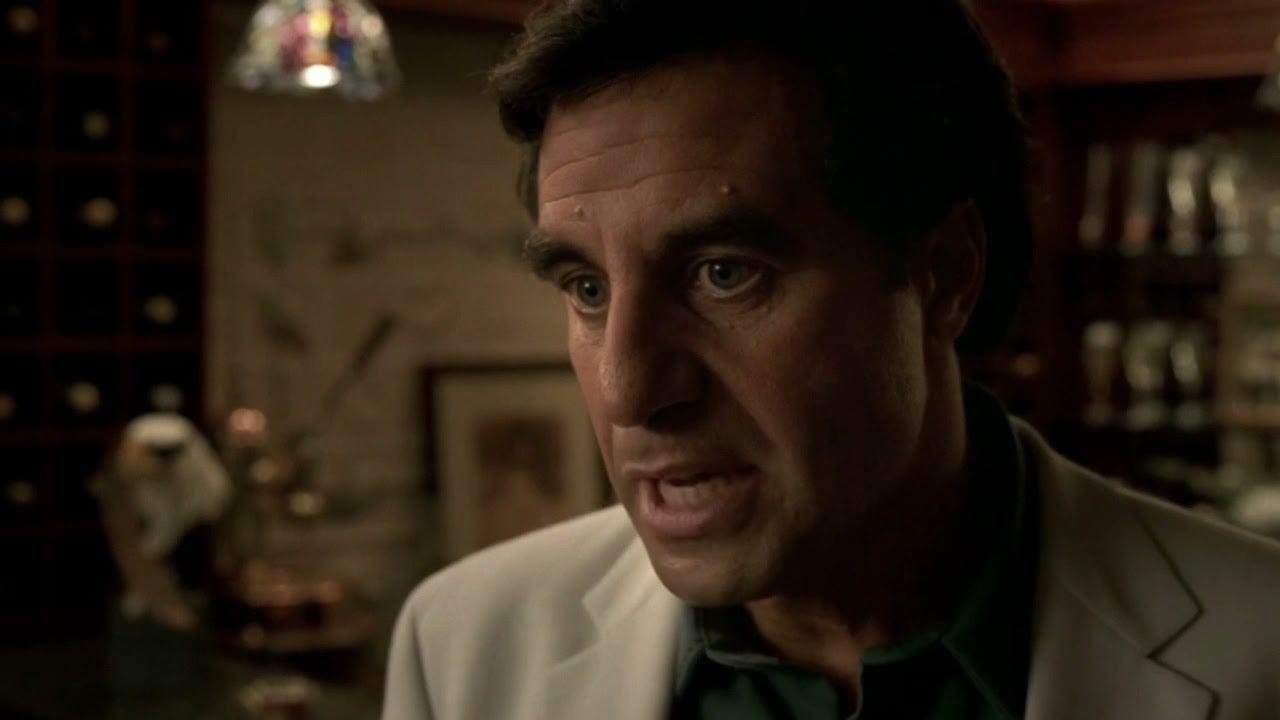
I was rewatching one of my favorite Sopranos episodes, the one where Bobby Bacala Sr. makes his singular, unforgettable appearance. I got swept up in the tension, in the pyrrhic violence.
Afterwards I wandered over to Sopranos Autopsy. This fan site breaks down why the show qualifies as high art—on par with museum pieces and ancient oral tradition.
I pored over the episode breakdown and hummed along at the observations, the tangled web of references. The layers were indulgent.
Within that very episode was foreshadowing. Seasons ago, another episode offered a premonition. In the season to follow a throwaway line borrowed the impact of the hubris. A decade before, in the first show David Chase directed, he had alluded to this as a core theme of his. A century before, a novel that David Chase read inspired it all. I love the madness of the auteur.
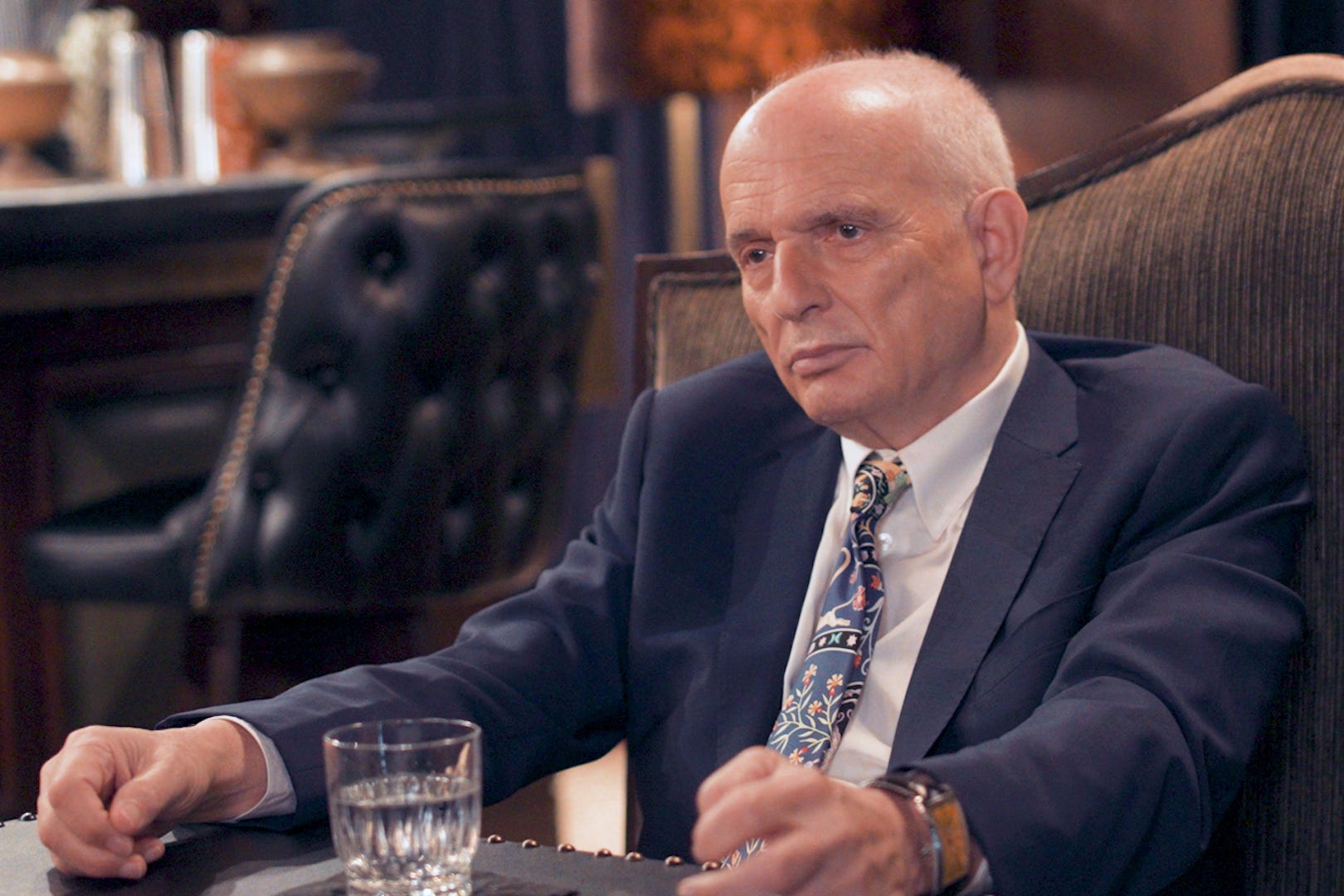
I sent the article to my friend, a lifelong Sopranos fan. He thumbed it down immediately. He does this every time.
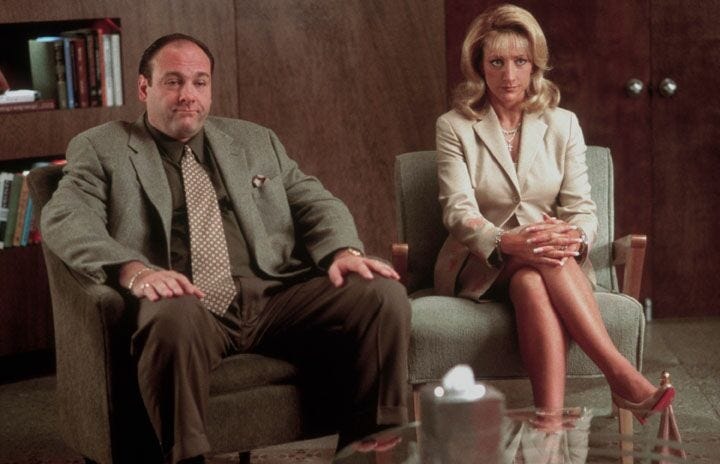
You must have been at the top of your fuckin class!
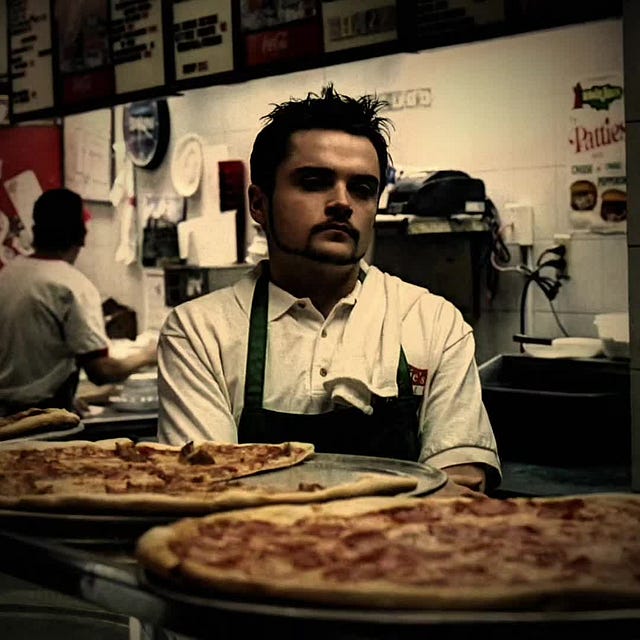
Instead he sent me a low-res edit of AJ Soprano. I gave it a ha-ha.
 Tiktok failed to load.
Enable 3rd party cookies or use another browser
He is part of the HiTS & TiTS crowd. So am I.
My first watch through I thought nothing of the Russian novel complexity. I loved and hated characters on impulse. I binged and binged.
Mobsters. Sex. Violence. Humor. Family drama. Gabagool.
The surface was irresistible.
On my second go around, I graduated to the philosophizing crowd.
Fear knocked on the door, faith answered, there was no one there.
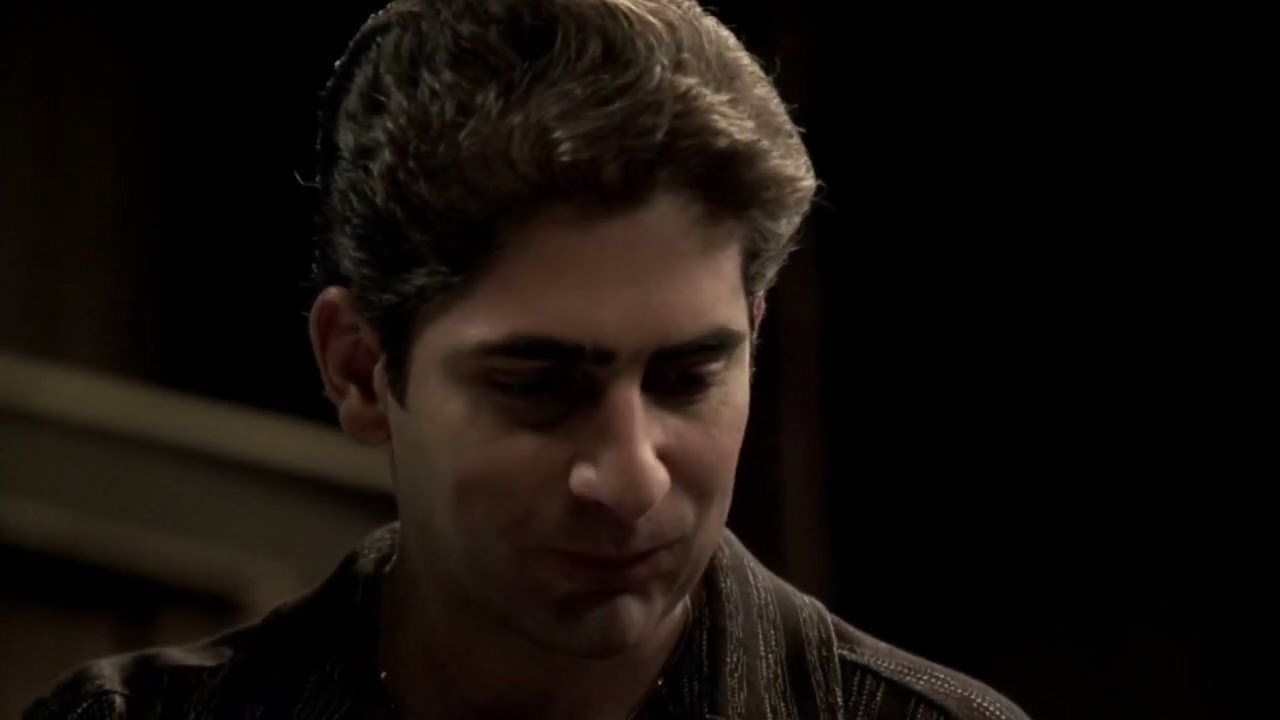
This time I empathized with Tony’s primary arc—the panic attack stricken leader who hides his collapse from his loved ones and his troops. I spent a whole year ducking and dodging my own therapist, fainting on subways, and having that ginger ale feeling in my forehead. That flavor of depressive toxic masculinity was all too familiar.
I spoke my girlfriend about her childhood, how she connected with the narcissistic mother that loomed large over the whole series. I debated America as spiritual void on nights out. They embraced capitalism. I argued for God.
Then you head over the the Sopranos subreddit. Try to speak seriously there.
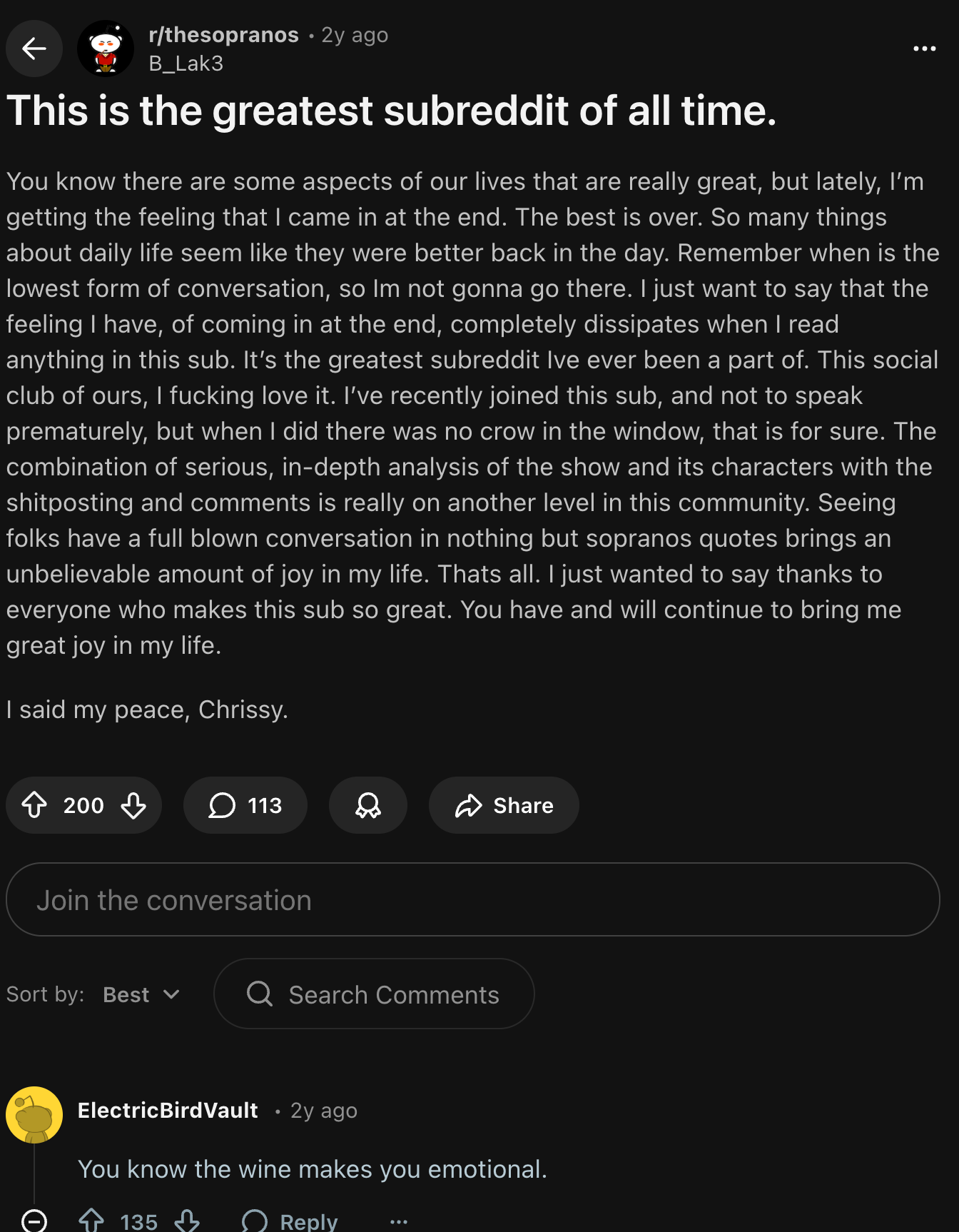
You are met by a phalanx of inside jokes. Academic takes are upvoted and then lovingly dismantled with artful references that both debase and elevate the thesis. This obsessive fandom is borne out of deep self recognition. Absurdism in the face of accelerating spiral.
Crude dialogue revealing universal ache. Jersey accents masking Greek tragedy. The Badabing hosting Dostoevskyian breakdowns.
Infinite interpretation. Endless entertainment.
And David Chase pulled off the most masterful of strokes.
At a time when TV was written off as disposable—laugh tracks, thirty-minute slots, career purgatory.
The fundamental question is, will TV be as effective as a medium as cinema was? And it will be, even more so. But until it is, it’s going to be hard to verify that I think it will be.
He didn’t compete with Hollywood. He absorbed it.
Now prestige TV is the primary myth engine.
Sound familiar?
ACT II
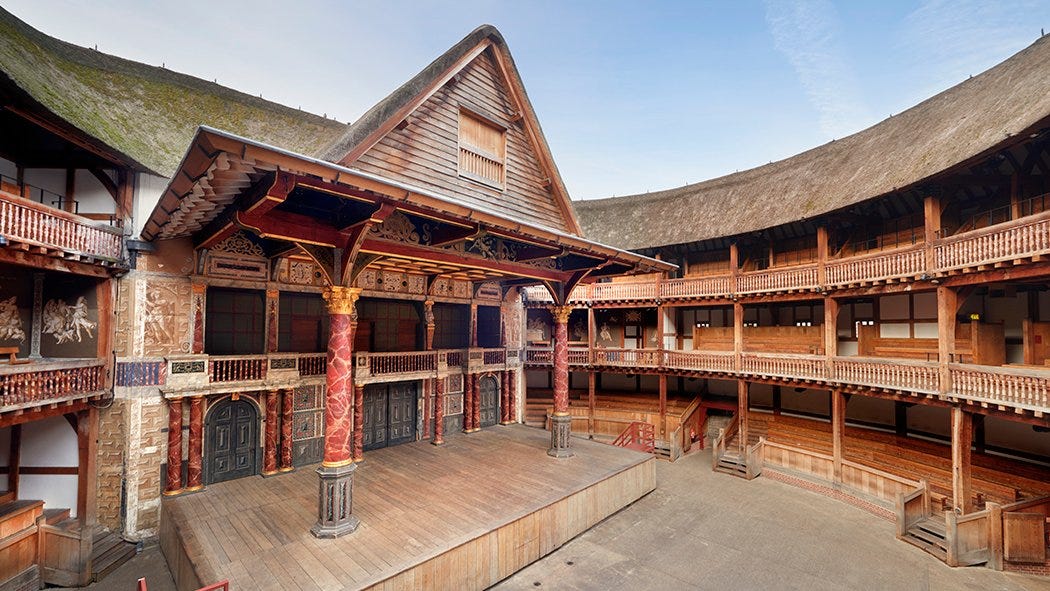
Shakespeare did the same to theater.
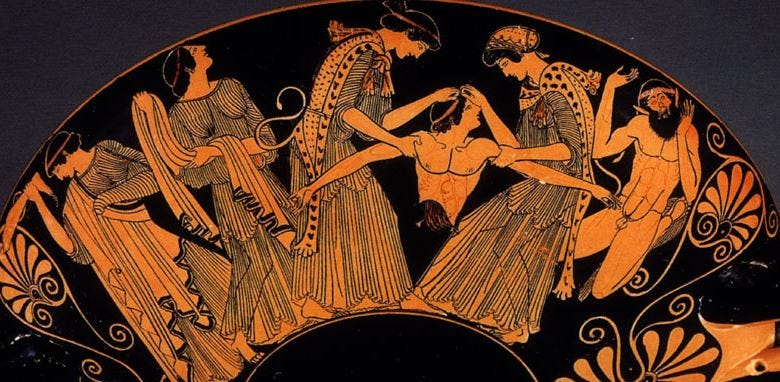
Before him, plays were mostly morality lessons, courtly pageants or cheap display. He fused it all. Street comedy, royal drama, folklore, philosophy and collapsed them into one living form. Full human mirror.
He proved the stage could carry the entire interior life of humanity. He didn’t exalt theater by making it refined. He did so by making it complete. Not lecturing the audience, but reflecting them.
“The fault, dear Brutus, is not in our stars, but in ourselves.”
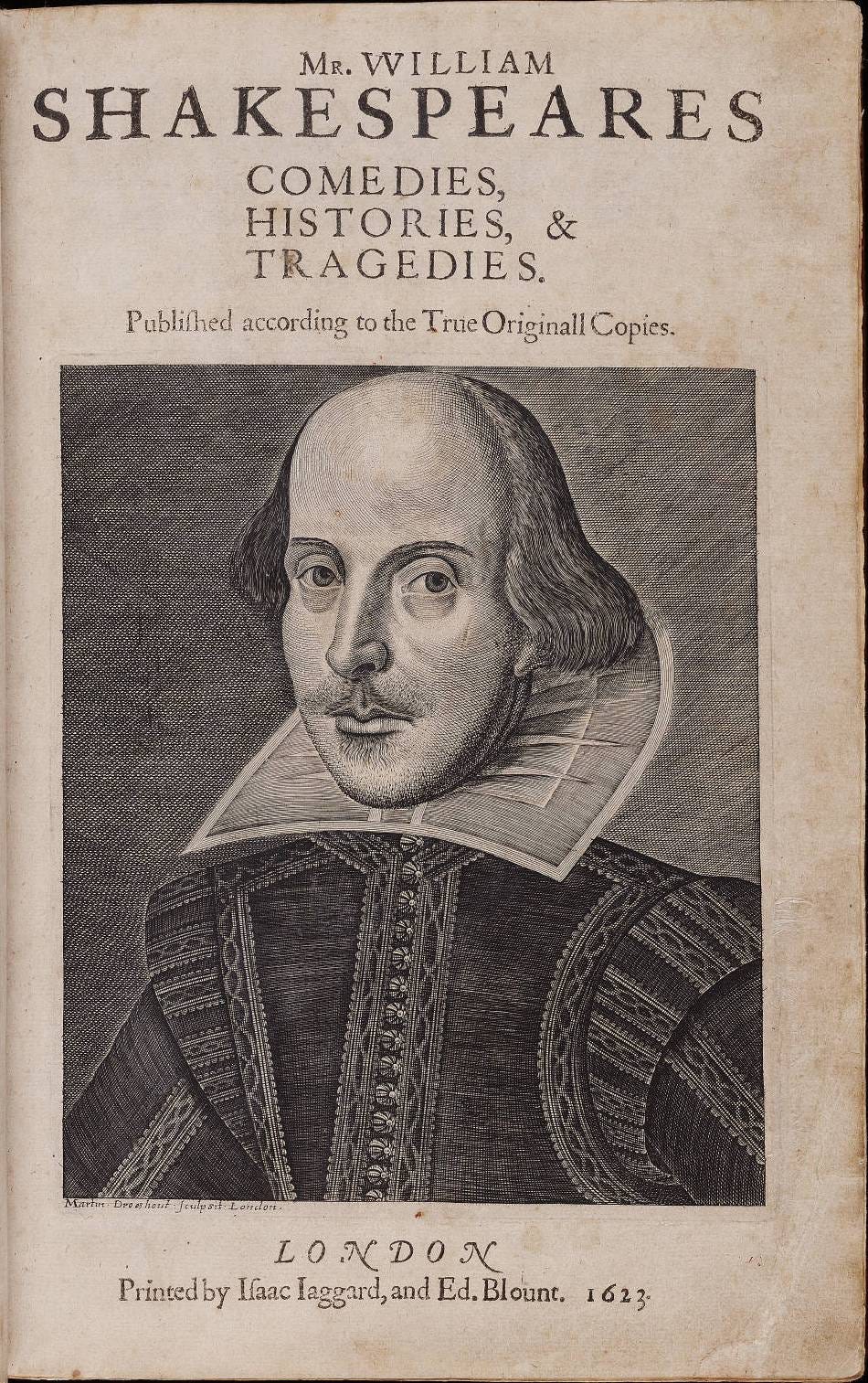
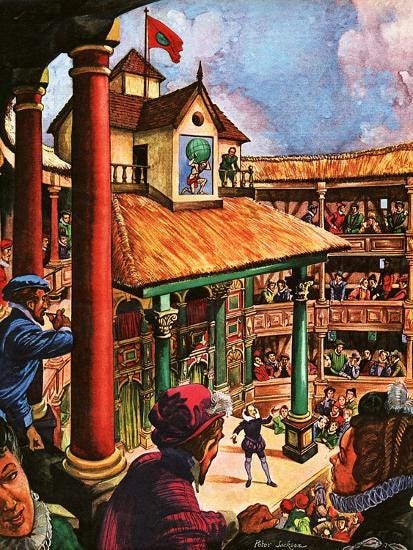
He wrote for the drunk peasants in the pit first and foremost. The royal scholars in the balcony were an afterthought.
Immature jokes, sword fights, tragic romances, ghosts, jealousy, revenge. But beneath it all? Identity, fate, God, power, madness, time, love.
He didn’t care about sounding smart or proving anything.
He simply wanted to reach everyone. You can recount the plots quickly. You can analyze the psychology for centuries. Enjoy it raw or unpack it in graduate school. The crowd would laugh at the spectacle. Some choose to drown in the cosmic despair.
ACT III
The pattern is clear.
Low language. High truth. Showstopping exterior. Sacred interior.
The masters understood:
You don’t raise the public by going higher. You raise them by meeting them where they are and intoxicating them with psychedelic reverie.
We are such stuff as dreams are made on.
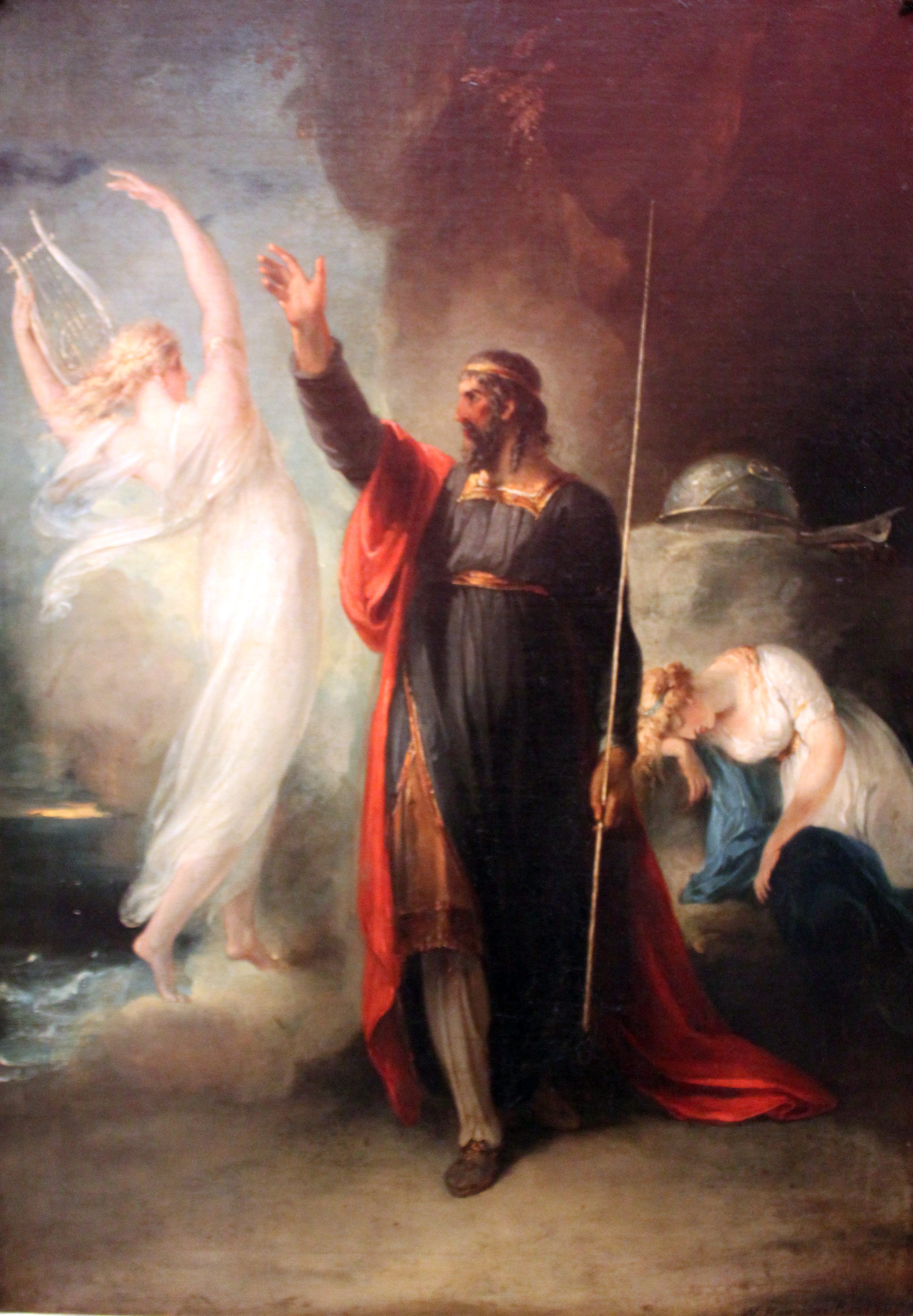
Some may only remember the euphoria of the trip, but all will carry the residue of enlightenment forever.
Different doors. Access to the same cathedral. The grandest one where all human projection lies.
Some enter through laughter, some through the erotic, some through the brutal.
Once inside—you breathe in the symbolism, the metaphysics, the unnameable truths.
The only way to awaken, to reprogram culture is to entertain it first.
Sensation. Somatic over semiotics.
There is nothing either good or bad, but thinking makes it so.
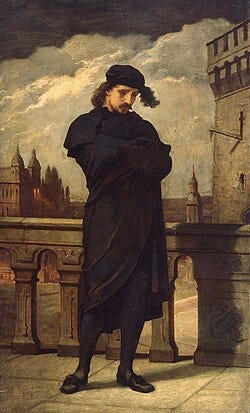
Shakespeare worried about the lady more than the poem. That is why the poem outlived the lady.
Nowadays? Dilettantes, sexless intellectuals, and hollow agents.
Lately I’m getting the feeling that I came in at the end, that the best is over.
Life’s but a walking shadow.